

The EU is one of the largest export markets for Vietnam's agricultural products. The EVFTA is considered an opportunity for Vietnamese agricultural products to deeply integrate into a large market with high selling prices, but also a challenge that requires manufacturing and exporting enterprises to change more drastically to sustainable export growth to this "difficult" market.
* The Ministry of Industry and Trade is the focal agency to implement the EVFTA Agreement
According to the General Department of Customs, the total export turnover of Vietnam's main agricultural products (including coffee, cashew nuts, rubber, vegetables, pepper, rice and tea) to the EU market in In the first 11 months of 2021, it will reach about 2.2 billion USD and increase by 10.1% over the same period in 2020. With this result, the EU is one of the largest export markets for agricultural products in our country, accounting for 13.7%. in the total export turnover of main agricultural products. Regarding the structure of export products, the proportion of Vietnam's main exports to the EU is as follows: coffee (accounting for 42.2% of the total export turnover of major agricultural products to the EU), seeds cashew (accounting for 33%), rubber (accounting for 7.9%), vegetables (accounting for 7.8%), pepper (accounting for 7.4%), rice (accounting for 1.7%) and tea (accounting for 0 ,first%). Structure of Vietnam's agricultural products to the EU in the first 11 months of 2021 (% by value)
Regarding the export market to EU member countries, despite being affected by the Covid-19 epidemic, the export turnover of agricultural products to Vietnam's key markets in the EU region has grown positively or only decreased slightly. : Germany (accounting for 28.8% of the total export turnover of Vietnam's main agricultural products to the EU, reaching US$641 million, up 24.4% over the same period in 2020), the Netherlands (accounting for 22.5 %, reaching 500 million USD, up 1.9%), Italy (12.8%, reaching 285 million USD, up 3.2%), Spain (accounting for 9%, reaching 202 million USD, a slight decrease 0 .6%), France (accounting for 6.4%, reaching US$142 million, up 25.2%),... In addition, some markets had small export turnover but strong growth, for see export potential: Finland (up 198%), Hungary (up 86.9%), Czech Republic (up 49.2%),...

Effectiveness of EVFTA implementation in each specific industry:
1. Coffee
With the commitment to eliminate tariffs under EVFTA, coffee exported to the EU will have 93% of tax lines to 0% as soon as the Agreement comes into effect. This is a good opportunity for Vietnamese coffee when the EU is the largest coffee-consuming market in the world, with import turnover from foreign countries about 10 billion USD/year, accounting for 66% of the total import volume. about 30% of global consumption. With an export value of 939 million USD in the first 11 months of 2021, the EU is also Vietnam's largest coffee export market, accounting for nearly 34.8% of the total export turnover of this item. Among EU member markets, Vietnamese coffee is exported mainly to the following countries: Germany (reaching 377 million USD), Italy (reaching 205 million USD), Spain (reaching 119 million USD) and Belgium (reaching 119 million USD) $97 million). Coffee exports to the EU in 11 months of 2021 increased only slightly by 0.5% (due to a decrease of 11.6% in export volume) compared to the same period in 2020, but among agricultural products produced to the EU, coffee still maintains the leading position in export value. In which, HS code 09011110 (Arabica WIB or Robusta OIB) is the most exported variety, reaching 838 million USD, equivalent to the same period in 2020 and accounting for 89.3% of total coffee export turnover to the EU market. Second is HS code 21011110 (instant coffee) with export turnover of about 60 million USD, up about 4.2% over the same period and accounting for about 6.4%.
2. Cashew
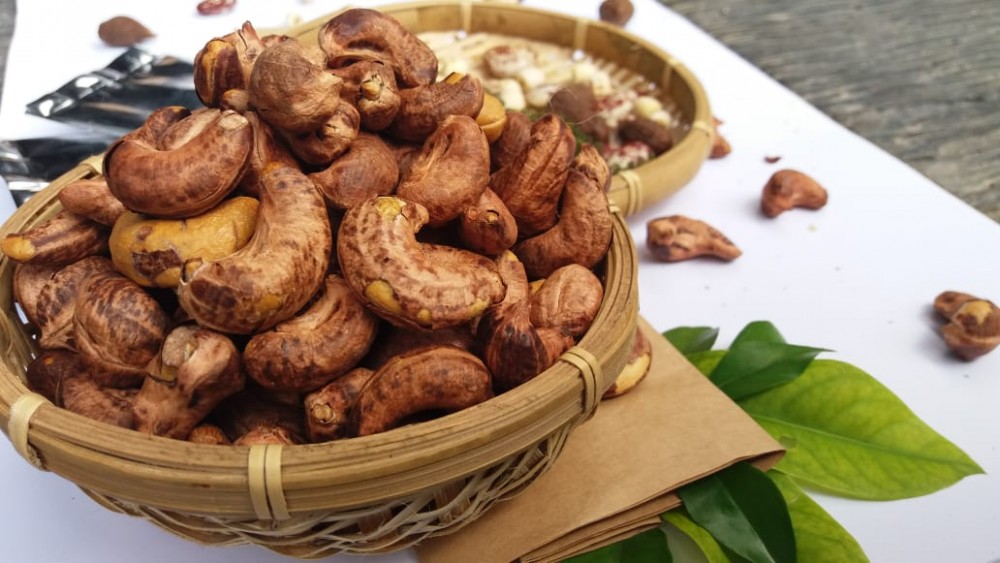
Before the EVFTA came into effect, items such as cashew kernels still enjoyed a preferential rate of 0% when exported to the EU, but deeply processed cashews were still subject to a tax of 7 to 12%. According to the EVFTA Agreement commitment, the products that are deeply processed from cashew nuts are reduced to 0% tax. Therefore, despite many impacts from the epidemic, the output and value of cashew exports to the EU not only did not decrease but also increased. Cashew nut exports to the EU in 11 months of 2021 reached 122 thousand tons, equivalent to 734 million USD, up 15.2% in volume and 6.2% in value over the same period in 2020. This is a metal commodity. the second largest export value among agricultural products exported to the EU. The EU is Vietnam's second largest cashew nut export market (after the US), accounting for 22% of the total export turnover of this item in the first 11 months of 2021. Among EU member markets, cashews are exported. mainly to two countries: the Netherlands (reaching 346 million USD) and Germany (reaching 123 million USD). The demand for cashew nut consumption in these countries is continuously increasing due to high demand from the food processing industries and the final consumer demand of the people, showing a positive prospect of cashew nut exports in the year. 2022.
3. Rubber
With EVFTA, synthetic rubber and derivatives will not have new advantages because the tax rate is already 0%. However, rubber hoses and rubber tires are immediately exempt from the previous 3%-4.5% tax. Rubber conveyor belts, conveyors, or conveyor belts will be discounted over a 5-year term from 6.5%. This is the driving force behind the export of rubber and rubber products. In the first 11 months of 2021, rubber exports to the EU will reach about 100 thousand tons, equivalent to 175 million USD, up 33.7% in volume and 72.6% in value over the same period in 2020. Types of rubber Rubber exports mainly to the EU are: HS code. 40012240 - Technically standardized natural rubber (TSNR) CV (reaching US$71 million, a sharp increase of 88.8% over the same period in 2020 and accounting for 40.8% of total rubber exports to the EU); HS code. 40012290 - Other TSNR (reached 43 million USD, increased strongly by 85.8%, accounting for 24.6%), HS code. 40011011 - Concentrated rubber latex by centrifugal method (SEN) (reached 21 million USD, increased sharply by 87.4%, accounting for 12.1%),... Among EU member markets, Vietnamese rubber is mainly exported to the following countries: Germany (reached 62 million USD), Italy (reached 25 million USD), Spain (reached 22 million USD) and the Netherlands (reached 17 million USD). In the EU market, the industry - production - consumption is growing strongly (production of aircraft, automobiles, motorcycles, equipment, machinery for manufacturing, healthcare, consumer goods...), EU's consumption demand for rubber and rubber products is very large, especially high-grade rubber (SVR CV) and SVR 10, SVR 20 categories, predicting continued growth momentum. of this item in the following years.
4. Vegetables
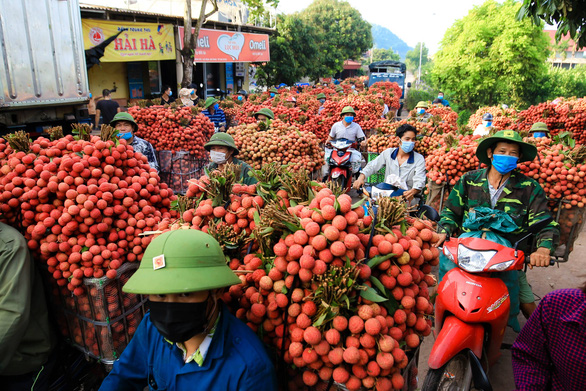
The EU is committed to opening up very strongly for Vietnamese vegetables and fruits in the EVFTA, 94% of the total 547 tax lines for vegetables and fruit and vegetable products (including many products that are Vietnam's strengths such as litchi, longan, etc.) rambutan, dragon fruit, pineapple, melon, etc.) shall be removed as soon as the Agreement comes into force. Most of the tariff lines the EU has committed to abolishing immediately have an average MFN tax rate of over 10%, especially for fruit and vegetable products that are subject to a tax of over 20%. Therefore, this level of commitment of the EU is considered to create a great advantage in price for Vietnamese fruits and vegetables (especially in competition for importing into the EU with countries with strong fruit and vegetable strengths that have not yet had an FTA with the EU). such as Thailand, China, Malaysia, Indonesia).
Vietnam's fruit and vegetable exports to the EU market after the EVFTA came into effect and went into effect have achieved positive results. In the first 11 months of 2021, the export turnover of vegetables and fruits to the EU reached US$173 million, up 7.6% over the same period in 2020. The main types of vegetables and fruits exported to the EU are: HS code. 20098999 - Fruit juices (including grape must) and vegetable juices, unfermented and not containing added spirit, whether or not containing added sugar or other sweetening matter - Other (according to USD 28 million, down 23 .5% over the same period in 2020 and accounted for 16% of the total export turnover of vegetables and fruits to the EU); HS code. 8109094 - Pomegranate, custard apple, custard apple, custard apple, passion fruit, red alligator fruit, custard apple, and mulberry (reaching USD 22 million, up 19.8%, accounting for 13 %); HS code. 08119000 - Fruits and nuts, whether or not cooked by steaming or by boiling in water, frozen, whether or not containing added sugar or other sweetening matter - Other ($18 million, up 23.8%, accounting for 10.4%)…
In the first 11 months of 2021, the EU is Vietnam's fourth largest fruit and vegetable export market, accounting for 5.3% of the total export turnover of this item. Among EU member markets, Vietnam's vegetables and fruits are exported mainly to the following countries: the Netherlands (reaching US$71 million), France (reaching US$35 million) and Germany (reaching US$20 million). The number of vegetables and fruits consumed tends to increase in the EU due to eating habits to protect and promote health. However, the EU market is very demanding on traceability and product quality standards, especially food safety and hygiene. Therefore, businesses need to learn and grasp information about the market, from consumer tastes to regulations and standards on rules of origin, food safety and hygiene, etc. increasing the quality of goods, conquering this "difficult" market.
5. Pepper
For the EVFTA Agreement, EU countries commit to eliminating tariffs on pepper products (HS code 0904) as soon as the Agreement comes into effect. The effective EVFTA will be a good lever for Vietnamese businesses to increase exports to EU countries (especially for processed products that previously had a tax rate of 5 - 9%). Incentives from the Agreement are being used effectively when the export turnover of pepper to the EU in 11 months of 2021 reaches about 40,000 tons, equivalent to USD 165 million, up 7.4% in volume and strongly 63.9%. and export value over the same period in 2020. The main types of pepper exported to the EU are: HS code. 09041120 – Unground or ungrounded black pepper (reaching US$92 million, a sharp increase of 62.5% over the same period in 2020 and accounting for 55.7% of total pepper exports to the EU) and HS code. 09041110 - Unground or unground white pepper (reaching USD 40 million, up 58.8%, accounting for 24.1%). The EU accounted for 19% of total exports of this item in the first 11 months of 2021.
Among EU member markets, Vietnamese pepper is mainly exported to Germany (reaching 49 million USD) and the Netherlands (reaching 39 million USD). In the coming time, Vietnam is expected to take advantage of opportunities to develop the pepper processing industry when investors in the EU move processing plants to Vietnam to take advantage of cheap raw materials and labor. creating a driving force to promote pepper exports to diverse EU markets.
6. Rice
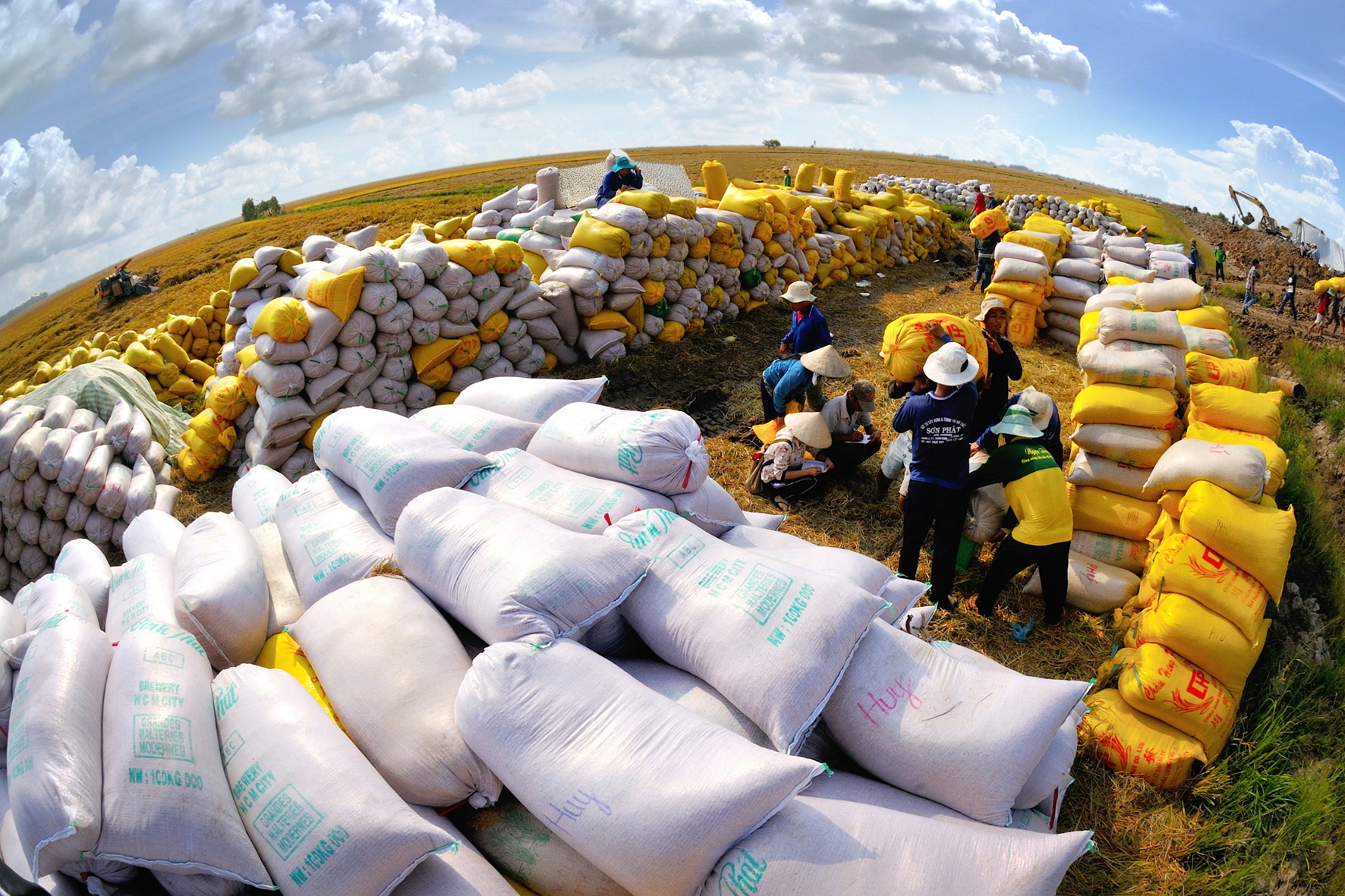
Before the EVFTA took effect, Vietnam's rice exports to the EU market were subject to a 45% tax. There are even some countries in the EU that impose import tax on Vietnamese rice up to 100% or higher. When the EVFTA comes into effect, the EU gives Vietnam a 0% tax incentive with a quota of 80,000 tons of rice per year (including 30,000 tons of milled rice, 20,000 tons of unmilled rice and 30,000 tons of fragrant rice). In particular, the EU will completely liberalize broken rice after 5 years. This commitment helps Vietnam to export about 100,000 tons of broken rice to the EU every year. Incentives from the Agreement are being effectively utilized when rice exports to the EU in 11 months of 2021 reached about 54 thousand tons, equivalent to $ 38 million, up only 0.8% in volume but up to 21.6% in value. Export prices compared to the same period in 2020, show that enterprises are catching up with the trend of producing high-quality varieties (fragrant rice, long-grain rice, specialty rice) for the high-end market. Although EU rice imports from Vietnam tend to increase, Vietnam's rice market share in the EU is still very low, accounting for only 1.3% of the total export turnover of this item in the 11 months of 2021.
Among EU member markets, Vietnamese rice is exported mainly to the following countries: Germany (reaching 10 million USD), the Netherlands (reaching 6 million USD), Italy (reaching 6 million USD) and Poland (reaching 4 million USD) million dollars). Although rice is not the main food in the EU, this market still has a certain demand for some products, especially nutritious and healthy rice. Moreover, the trend of using rice in the EU is increasing due to the popularity of Asian food here. The EVFTA is creating a huge competitive advantage for Vietnamese rice compared to major competitors that have yet to have FTAs with the EU such as Thailand and China in this potential market.
7. Tea
For the EVFTA Agreement, EU countries commit to eliminate tariffs on tea products as soon as the Agreement comes into effect. Taking advantage of incentives from the EVFTA, in the first 11 months of 2021, tea export turnover to the EU will reach about 3 million USD, up 21.6% over the same period in 2020 despite a 16.4% decrease in export volume, showing that Vietnamese enterprises are shifting their focus to exporting high-quality tea products. This is a suitable orientation for the EU market because with a relatively high income, consumers here need branded products associated with product quality rather than competitive prices. Vietnam is one of the leading countries with green and black tea products exported to the European market, however, the market share of Vietnamese tea in this market is still very limited, the export output is not high. The EU market also accounted for only 1.7% of the total export turnover of this item in the first 11 months of 2021.
Among EU member markets, Vietnamese tea is exported mainly to the following countries: Poland (reaching 1 million USD), Germany (reaching 601 thousand USD) and Belgium (reaching 410 thousand USD). The EU is a potential and important market for Vietnam's tea industry with plenty of room for growth. However, this is also a difficult market with many strict standards on food safety and hygiene, origin and quality of products, requiring Vietnamese enterprises to constantly improve their competitiveness and create new products. high quality to overcome the technical barriers of the market.
In the coming time, the export turnover of Vietnam's agricultural products to the EU market is forecasted to grow stronger when the Covid-19 epidemic is controlled, the EU gradually relaxes epidemic prevention measures, opens the door to trade. More conveniently, our export businesses also go through time adapting to the commitments in EVFTA, especially commitments on rules of origin. These are important prerequisites for Vietnam's agricultural product industry to boost exports, build brands, and expand market share in European markets.