THYROID CLINIC
Address: Le Quang Dinh, Ward 11, Binh Thanh District, HCM




Hotline : 0909 443 86
Email : khamtuyengiap@gmail.com


Today, mortality from thyroid surgery is rare. Possible complications after thyroid surgery include laryngeal nerve damage, hypoparathyroidism, and postoperative neck hematoma, etc. In general, thyroid cancer tends to affect a younger group of patients with the majority of patients diagnosed under the age of 65. These patients are usually free of other comorbidities that may increase the likelihood of postoperative morbidity and mortality and, importantly, at a relatively young age and with increased life expectancy in the worldwide population, Laryngeal nerve injury and/or hypoparathyroidism can have significant, long-term effects on quality of life.
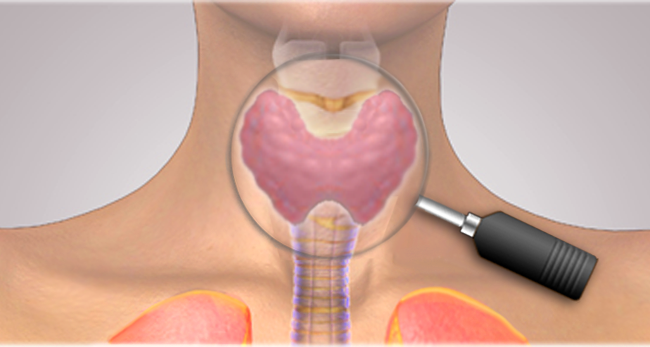
The most common complication associated with thyroidectomy is hypocalcaemia secondary to hypoparathyroidism, which can result from hypoparathyroidism, shock, or parathyroidectomy at the time of parathyroidectomy. armor. Various studies have reported large variability in the incidence of postoperative hypocalcaemia, with transient hypoparathyroidism reported in 50% of patients and permanent hypoparathyroidism reported in 0. 5%-2% of patients. The rate of this complication has been reported to be increased in patients undergoing thyroidectomy for thyroid cancer and in those undergoing re-surgery. Injury to the lateral branch of the superior laryngeal nerve can lead to hoarseness, decreased pitch, and difficulty singing. The rate of laryngeal nerve damage ranges from 0.9 to 3%; The methods of detecting laryngeal nerve damage are electromyography and laryngoscopy. Injury to the laryngeal nerve may be more obvious and clinically significant, especially with bilateral laryngeal nerve damage. Unilateral damage to the laryngeal nerve may be associated with hoarseness, infection, and cough, while bilateral damage is associated with aphasia and dyspnea, in severe cases, A tracheostomy may be required. The incidence of laryngeal nerve damage ranges from 2 to 12% and is usually transient, although it can take up to 6-12 months to heal; Permanent damage may occur in 0.4 - 2% of patients. Rates of laryngeal nerve damage are higher when surgery is performed for Graves' disease, thyroid cancer, or recurrent thyroid surgery. In a study of 871,644 patients undergoing thyroidectomy with chronically documented nerve damage during the period from 1993 to 2008, the incidence of laryngeal nerve damage was 1%, in 30 days post-operative study period. In the study by Kathryn E. Coan and Tracy S. Wang, the lesion rate was higher (2%) in patients undergoing surgery for thyroid cancer, compared with patients undergoing surgery for benign disease (0.6%). ;p < 0.001).
BSCK1 NGUYỄN DUY TRÌ
BV UNG BƯỚU TPHCM


 Lê Quang Định, Phường 11, Quận Bình Thạnh, HCM

 khamtuyengiap@gmail.com
 www.khamtuyengiap.vn

 0909 443 86